A Tampa Small Business Served With an ADA Lawsuit: Where to Start
These suits are common, often repetitive, and easy to mishandle in the first week, mostly by doing too much or nothing at all.
October 16, 2026 · 4 min read
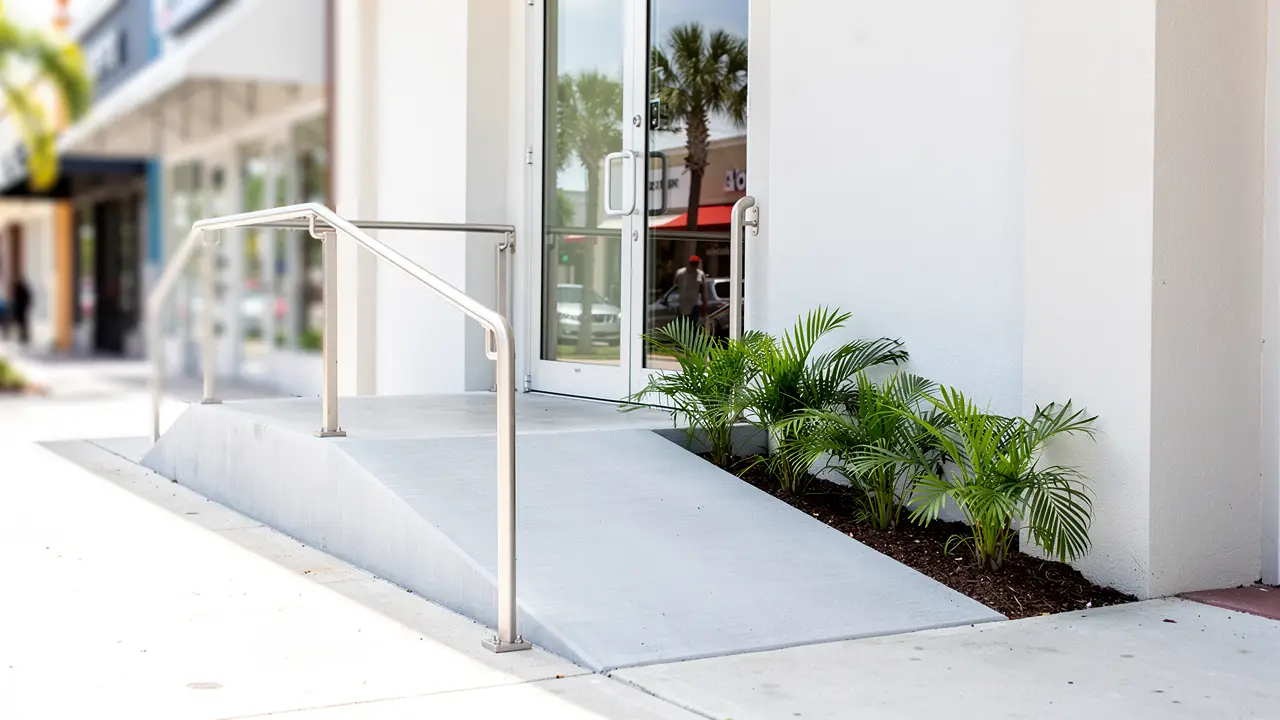
A Tampa restaurant owner opens a letter and finds a federal complaint claiming the parking lot, the entrance and the restroom don't comply with the Americans with Disabilities Act. She has never had a complaint from a customer. The plaintiff, she learns, has filed what looks like the same suit against dozens of other businesses. This is a familiar pattern for small businesses in Florida, and how you respond in the first few days matters.
Who files these suits, and why
Title III of the ADA requires businesses open to the public, from shops and restaurants to medical offices and hotels, to remove physical barriers when doing so is readily achievable. Private individuals can sue to enforce it. The usual remedy in these cases is an order requiring the business to fix the barriers, plus the plaintiff's attorney's fees, rather than a large damages award. That structure is what makes a certain kind of litigation possible.
Some plaintiffs, often paired with the same few law firms, file a large number of similar lawsuits against small businesses, typically alleging a list of parking, entrance, counter, signage or restroom problems. They're commonly called serial-filing plaintiffs. The label isn't a defense by itself, and a real barrier is still a real barrier. But it does tell you something useful: these complaints are often templated, the allegations may not match your property, and the settlement pressure is mostly about attorney's fees. A careful look at what is actually alleged is the starting point for everything else.
What “readily achievable” means
The standard in the law is what's readily achievable, meaning easily accomplishable and able to be carried out without much difficulty or expense. It isn't a requirement to rebuild your building to current construction standards. What counts as readily achievable depends on the specific barrier and on the size and resources of the business. Restriping a parking space, adjusting a threshold or lowering a mirror may qualify. Tearing out a load-bearing wall probably doesn't.
This is why the defense is rarely all or nothing. Part of a complaint may point to something that really can and should be fixed. Part may not apply to your space at all, or may not be something the law requires of you. Edmund Gegan has defended against high volume ADA cases, and the work centers on limiting any required improvements to what is readily achievable rather than what a complaint demands.
Why ignoring it is the one clearly wrong move
Owners sometimes toss these suits aside because they look like form letters, or because they assume the building is “grandfathered.” That's the one response that reliably hurts. A defendant who doesn't respond on time can face a default, which means the court can rule against the business without hearing its side. A claim that might have been narrowed or resolved for a modest fix can turn into a judgment and a fee award.
The opposite mistake is just as common: a panicked owner calls the plaintiff's lawyer, apologizes, agrees to a list of changes, or starts renovating the same afternoon. Statements made in that first call can be used later, and repairs made without a plan may not address what the complaint alleges, or may not be documented in a way that helps you.
What to do first
The first steps are less dramatic than most owners expect.
- Keep every paper you received, including the envelope, and write down the date and time you were served.
- Find out who is responsible under your lease. If you rent, your landlord may own the parking lot and common areas, and the lease may spell out who handles accessibility.
- Check your insurance policies and notify your carrier promptly, since some policies respond to these claims and many require quick notice.
- Don't contact the plaintiff or their lawyer, and don't admit anything in writing or by phone.
- Hold off on alterations until you've spoken with counsel, then document the property as it stands today, with dated photographs and measurements.
- Call a lawyer who handles ADA defense, before the deadline to respond runs out.
None of that means refusing to fix real problems. Often the sensible endgame involves some repairs. The point is to make them on purpose, in a sequence that's documented, rather than under pressure from a demand letter.
What a lawyer looks at
A first review usually covers a handful of questions. What exactly does the complaint allege, and does it match your property? Which of those items are readily achievable to fix, and what would they cost? Who is responsible, you or your landlord? Is there a pattern in this plaintiff's other filings that bears on the case? And is the right path to fix, negotiate and resolve the matter, or to contest it?
There are no guaranteed outcomes in litigation, and anyone who promises one deserves skepticism. What a good first conversation can give you is a clear picture of your exposure and a plan.
If your Tampa business has been served, Gegan Law Office offers a free initial consultation. Call (813) 248-8900 and bring the complaint, the date you were served and any lease or insurance papers you have. This article is general information, not legal advice about your situation.
Gegan Law Office, (813) 248-8900
Call (813) 248-8900More articles
Will or Living Trust in Florida: What Each One Actually Does
The two documents get lumped together, but they do different jobs, and one of them is only as good as the paperwork that follows the signing.
Leaving Money to a Loved One With Special Needs Without Costing Them SSI or Medicaid
The kindest-looking gift, a check left straight to your child, is often the one that does the most harm.